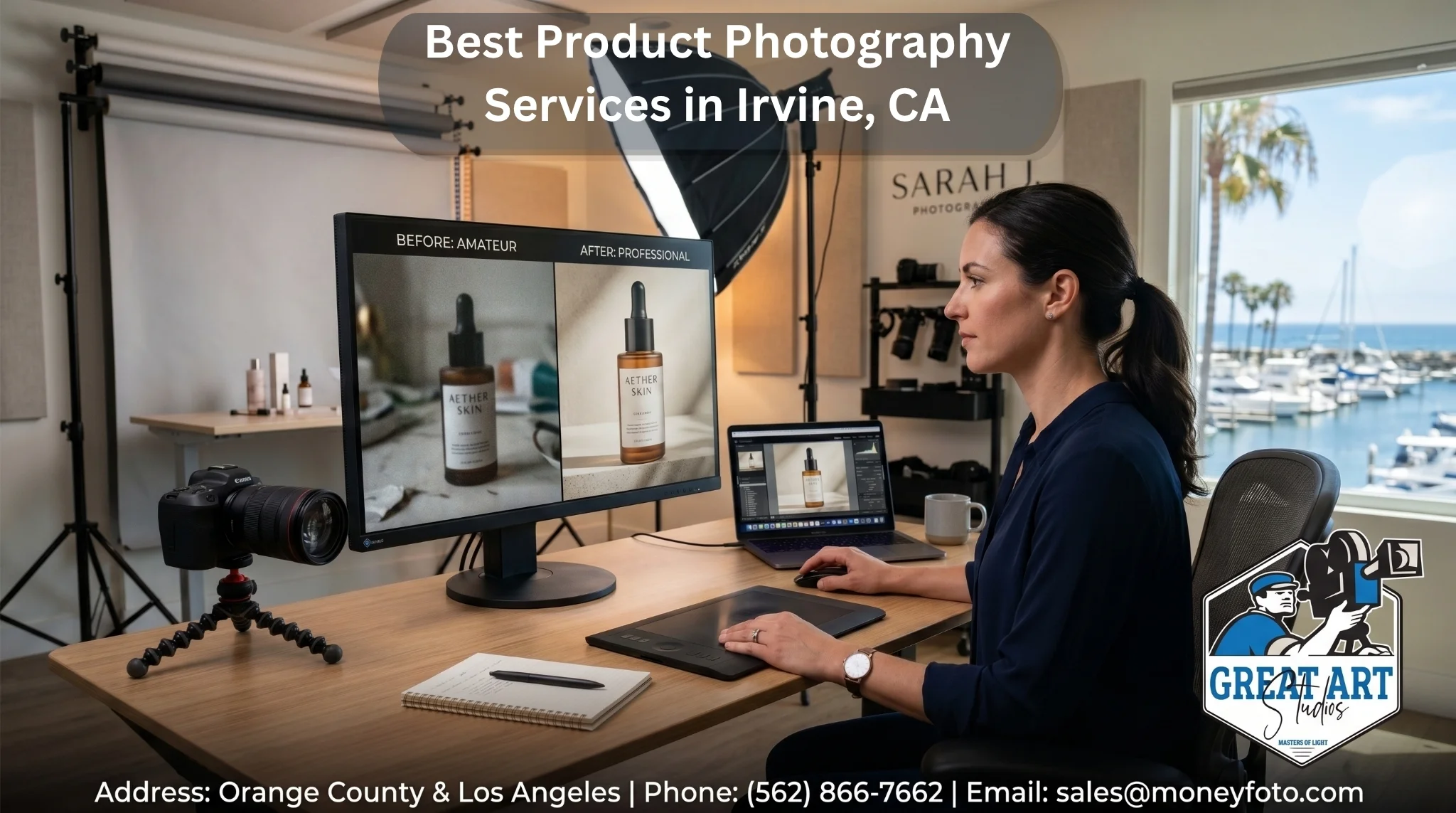
Imagine spending thousands of dollars on inventory, high-end website design, aggressive paid advertising, and social media campaigns only to lose customers in the final seconds of their purchase journey. You might wonder why this happens so frequently, but the reality is that your product photos often fail to inspire the necessary confidence to click the “add to cart” button. For today’s digital-first consumers, your product photography serves as your brand’s silent salesperson, as they judge the quality of your offering based entirely on your images before reading a single word of your copy. If the photos are lackluster, the product is perceived as lackluster, which is why investing in expert Product Photography Services in Newport Beach is essential to improve your sales, deepen customer trust, and secure your brand’s market credibility. When you are ready to elevate your visual identity, choosing a professional product photographer who understands the nuances of the local market ensures your brand stands out in a crowded digital space.
Why Product Photography Is Your Most Powerful Sales Tool
Customers Buy With Their Eyes First
Your website visitors form a distinct opinion about your brand in roughly $0.05$ seconds. In that split second, they are not reading your value proposition, but rather absorbing the visual language of your store, which acts as the primary driver of their initial interest. When a customer cannot touch or hold your product, they rely entirely on their eyes to gauge quality, and if the image is professional, the brain assumes the physical product quality follows suit. High-resolution, crisp images act as a proxy for trust in the digital age, as customers instinctively associate the effort put into a high-quality photograph with the effort put into the manufacturing of the product itself. Furthermore, professional images allow you to command a significantly higher price point, whereas grainy, poorly lit photos force you to compete on price, damaging your long-term margins.
Your Photos Represent Your Brand
Even if your product is not positioned as a luxury item, your presentation should still strive for that elite standard because professional photography signals that you are an established, reliable entity in your industry. Consistency is the primary hallmark of a professional brand, and when every product in your catalog features the same lighting, background, and editing style, it creates a cohesive, trustworthy experience for the shopper. This visual harmony effectively reduces the cognitive load for the buyer, allowing them to focus entirely on the product benefits rather than being distracted by the confusion caused by erratic, amateurish, or mismatched imagery. By maintaining this high standard across your digital storefront, you reinforce your brand identity and ensure that customers feel confident in your professionalism from the moment they land on your site.
Why Your Product Photos Aren’t Converting Customers
Poor Lighting Makes Products Look Cheap
If you are experiencing high cart abandonment, your photography might be the silent culprit, as flat lighting is one of the most common issues that removes all texture and depth from a high-quality item. When a product is lit improperly, it can appear like a plastic toy rather than a premium item, which immediately turns off discerning shoppers who are looking for quality materials and craftsmanship. Shadows that obscure the essential features or design elements of your product can be fatal for your business, as the customer simply will not buy if they lack the visual information needed to justify the purchase. Correct lighting is not just a stylistic choice; it is a fundamental requirement for showing off the true geometry and tactile nature of what you are selling, ensuring the customer sees exactly what they are getting before they decide to buy.
Low Resolution Reduces Buyer Confidence
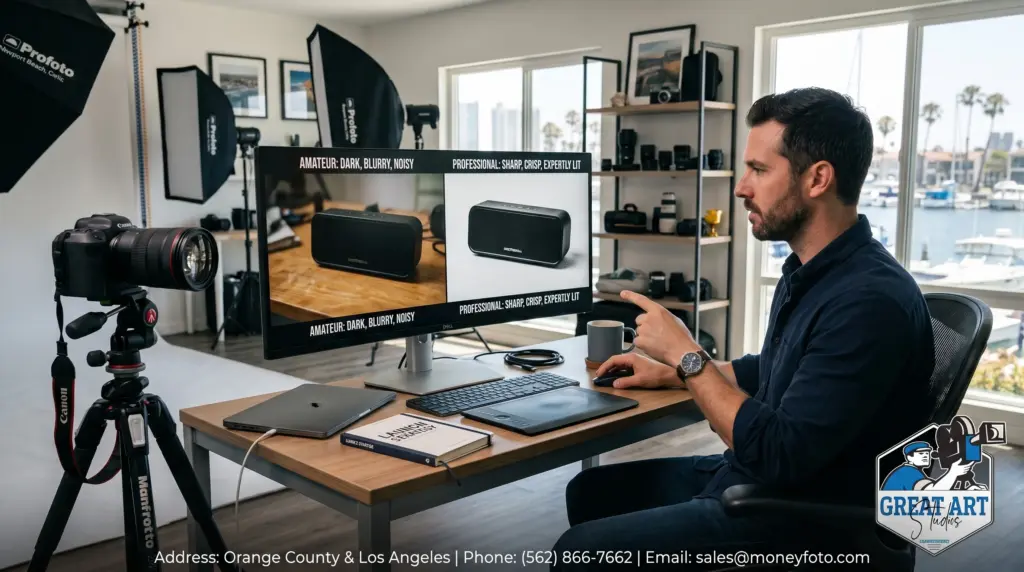
Low resolution significantly reduces buyer confidence because customers today expect to use the digital “zoom” function to examine textures, buttons, and specific logos in great detail. If your images pixelate or blur upon zooming, the customer subconsciously assumes you are hiding a defect or that the product is of inferior quality, which creates immediate anxiety. This lack of sharpness creates a psychological barrier that prevents the sale from closing, as the shopper begins to worry that if you cannot provide a clear photo, you are likely cutting corners on other aspects of the product as well. By providing high-definition images that allow for deep inspection, you remove the guesswork and provide the necessary proof that your product is built to last, which directly translates into higher conversion rates and fewer customer service inquiries.
Inconsistent Branding Across Products
Inconsistent branding across your catalog is another major pitfall that can make your entire website look amateurish and unreliable to potential shoppers. When your product images look like they were taken in different rooms, at different times of the day, or with different cameras, it creates what we often call the “scrapbook” effect, which immediately destroys the sense of being a professional, cohesive retailer. This lack of visual continuity forces the customer to question your legitimacy, as they are used to shopping on platforms where every image looks like it belongs in the same library. Additionally, formatting issues lead to a messy, unorganized layout that disrupts the user experience, leading to higher bounce rates because shoppers lose trust in a brand that does not prioritize the presentation of its own inventory.
Missing Lifestyle Images
Missing lifestyle images contribute to low conversions because, while a white-background shot shows what the product is, a lifestyle shot shows what the product does. Without this crucial context, you are merely selling an object, but with it, you are selling a transformation, a solution, or an aspirational lifestyle that the customer wants to achieve. Lifestyle photography allows the shopper to visualize themselves using the product in their daily life, which creates a powerful emotional connection that static product-only photos simply cannot replicate. By including images of your products in real-world settings, you demonstrate scale, functionality, and utility, all of which are essential factors in overcoming the final objections a customer might have before they add an item to their shopping cart and check out.
How Better Product Photography Influences Buying Decisions
High-End Images Increase Perceived Value
When you invest in Commercial Product Photography Newport Beach, you are investing in the final, most critical step of your entire sales funnel. High-end images increase the perceived value of your items, as people are psychologically conditioned to be willing to pay more for products that look premium and well-presented. Professional photography is not just a cost, but a direct revenue driver that can justify a $20 to $40 price increase compared to competitors who use poor, amateurish photography. When a customer lands on your page, the quality of your images dictates how much they think the item is worth; therefore, superior visuals allow you to position your brand in a higher tier, attracting customers who value quality and are willing to pay for it accordingly.
Professional Images Build Trust
Trust is the primary currency of eCommerce, and professionalism is the quickest way to establish it with a new visitor who has never interacted with your business before. Clear, honest, and high-quality photography removes the lingering fear that the product won’t be what the customer expects, which is the primary driver of purchase anxiety and cart abandonment. When you show your product from multiple angles such as the front, back, side, and detailed close-ups you are effectively simulating the in-store experience, allowing the customer to examine the item digitally just as they would if they were standing in a physical shop. This level of transparency proves that you have nothing to hide, which makes the buyer feel secure in their decision to input their credit card information and finalize the transaction with your store.
Better Photos Reduce Purchase Anxiety
Purchase anxiety is often rooted in the fear of the unknown, but when your product photography is comprehensive, you mitigate that risk entirely for the customer. By providing high-definition close-ups of fabric, stitching, materials, or mechanical parts, you provide the evidence that confirms the item matches the description. When a buyer knows exactly what to expect, they feel empowered to make a purchase, and this leads to a drastic reduction in return rates, which typically hover between $15 and $30 for online retailers who fail to represent their products accurately. Excellent photography acts as an insurance policy for your business, ensuring that your customers are happy with their orders upon delivery, which in turn leads to positive reviews, repeat purchases, and a stronger reputation in the digital marketplace.
Multiple Angles Help Customers Buy Faster
The inability to handle a product is the biggest disadvantage of online shopping, but you can overcome this by providing a variety of views that explain the item from every conceivable angle. A single, flat, front-facing photo is rarely enough to capture the full nature of a product, especially if it has depth, complexity, or hidden features that are crucial to the decision-making process. By offering a comprehensive set of angles, you respect the shopper’s intelligence and desire for information, allowing them to feel as though they have truly “examined” the product. This leads to a faster decision-making process because the customer does not have to hunt for more information or look for images on other sites, which keeps them locked into your sales funnel until the purchase is complete.
Detail Shots Increase Customer Confidence
Detail shots are the ultimate proof of quality, focusing on the finer points that often differentiate a high-end item from a mass-produced alternative. Whether it is the texture of a high-end leather handbag, the precise finish of a piece of jewelry, or the complex port layout of an electronic device, these macro-style detail shots show that you are proud of your manufacturing standards. Customers often look for these details to confirm the authenticity and quality of a product, and when they see that you have captured them with clarity, their confidence in your brand skyrockets. This confidence is what transforms a casual window shopper into a paying customer, as they no longer have to worry about the product failing to live up to the marketing claims, and they can instead focus on the excitement of their upcoming purchase.
Costly Product Photography Mistakes Businesses Make Before Launch
DIY Photography Without Professional Equipment
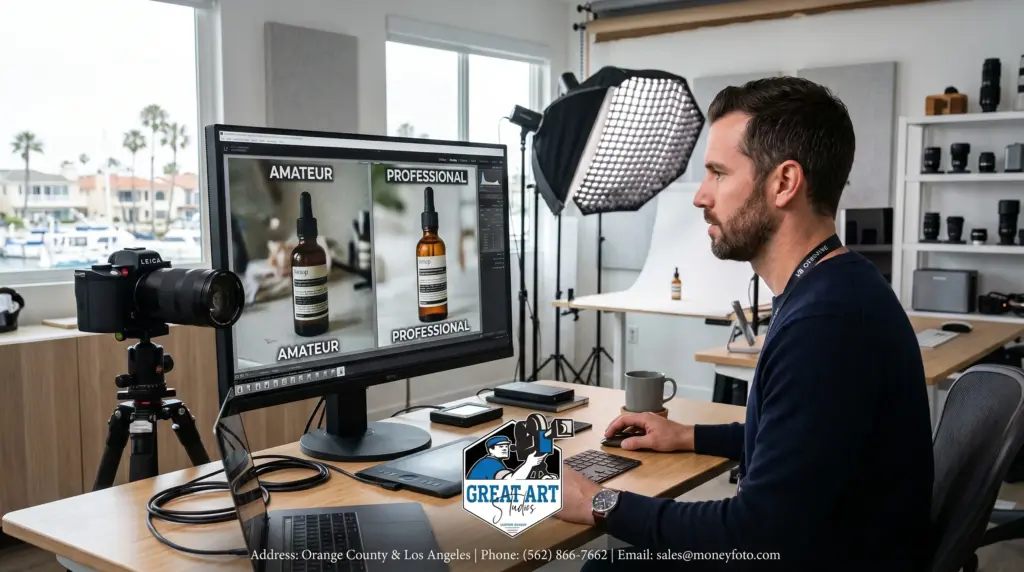
Many businesses view photography as an expense to be minimized, but this is a fundamental error that often costs them significantly more in lost revenue over the long term. One of the biggest mistakes is attempting DIY photography without professional studio equipment, as a smartphone lens, while impressive for social media, simply lacks the optical depth, sharpness, and focal control of a professional camera setup. These DIY efforts often result in poor cropping, barrel distortion, and unnatural color shifts that are difficult to fix in editing, leading to images that look “off” to the customer even if they cannot pinpoint exactly why. When you choose to do it yourself, you are usually sacrificing the polished, high-end look that is required to compete in today’s crowded digital space, which effectively sets your business up for lower conversion rates right from the start.
Using Smartphone Images for Premium Products
Smartphone photography has come a long way, but it is rarely the right choice for premium, high-stakes commercial product listings where every detail must be perfect. The small sensor size in a phone often leads to noise in low-light conditions and a lack of the specific “bokeh” or background separation that makes a product pop off the screen. For a premium brand, you need images that communicate status, durability, and luxury, and these qualities are achieved through high-end glass, specialized lighting, and expert composition that smartphones are not designed to produce. By using smartphone images for expensive or high-end items, you create a disconnect between the price of your product and the perceived value of your imagery, which leaves customers feeling skeptical and less likely to spend their hard-earned money with you.
Ignoring Platform Requirements
Amazon, Shopify, Etsy, and Walmart Marketplace all have specific, strict requirements for background color, image resolution, file size, and padding that must be met for a product to even be approved for sale. Failure to comply with these technical guidelines can lead to your product images being rejected, your listings being suppressed, or even your account being flagged, all of which halt your sales momentum instantly. Working with a Newport Beach creative studio ensures that your files are not only beautiful but also fully optimized for the algorithms of the platforms where you do business. This technical optimization ensures that your products appear exactly as they should, without any embarrassing formatting errors, which allows you to focus on your marketing while your images perform their duty of driving sales.
Inconsistent Product Catalog Images
Launching with an inconsistent product catalog is a recipe for low conversions because it suggests to the shopper that your store is not a cohesive or professional retail destination. When you have a mix of amateur photos, studio shots, and random lifestyle images, it makes the catalog feel disjointed and cheap, which lowers the overall status of your brand. A professional catalog should look like a well-edited magazine, with every product photo following the same visual rules so that the eye flows naturally from one item to the next without hesitation. By failing to ensure consistency, you are essentially signaling to the customer that you don’t take your own presentation seriously, and if you don’t take it seriously, they certainly won’t feel inclined to take your brand seriously either.
Launching Products Without Lifestyle Content
Launching without lifestyle content means you are effectively fighting for customers with one hand tied behind your back, as you are failing to show the product in its natural habitat. A white-background shot is necessary for technical requirements, but it is a sterile image that does not trigger the emotional desire for the product in the way that a lifestyle shot can. When you launch a new item, you need to show the customer the “after” state, or how their life will look once they possess your product, and lifestyle photography is the only way to achieve that narrative. Without this content, you are just showing the features, not the benefits, and you are missing out on the primary emotional trigger that causes most consumers to make an impulsive or confident purchasing decision.
Why Hiring Product Photography Services in Newport Beach Delivers Better ROI
Professional Lighting Equipment
Professional studios utilize advanced lighting setups that mimic natural daylight or emphasize product geometry in ways that are simply impossible to replicate with desk lamps or DIY kits. Lighting is the most important element of any image, as it dictates how we perceive texture, color, and form, and a professional photographer knows how to manipulate these elements to make your product look flawless. By using professional lighting, you eliminate unsightly shadows, hot spots, and color casts, resulting in a clean, high-end image that represents your product as it truly is. This investment in the physical setup of the shoot creates a high-quality foundation that makes the rest of your marketing materials look better by association, providing a level of polish that your competition simply cannot match without the same professional resources.
Advanced Retouching and Color Accuracy
Professional editing is a critical component of the service because it ensures that dust, minor scratches, and manufacturing defects are digitally removed, presenting a product that looks brand new every time. Color accuracy is perhaps the most important technical requirement in eCommerce, as the product must look in the photo exactly as it does when it arrives at the customer’s door. If there is a massive discrepancy between the photo and the actual item, you will face high return rates, which are devastating to your profit margins. A professional team ensures that your colors are calibrated correctly, so you can promise your customers a specific look and deliver exactly that, which builds long-term loyalty and reduces the logistical headache of managing constant product returns.
Commercial Product Photography That Matches Your Brand
A professional photographer will sit down with you to understand your specific brand voice, ensuring every image speaks directly to your target audience rather than just showing a generic product. Every brand has a different vibe whether it is minimalist, rugged, luxury, or playful and your photography must reflect that identity in every single frame. When you hire an expert who understands this, they can craft a visual strategy that aligns with your other marketing efforts, from your website design to your social media campaigns. This level of synergy creates a powerful, memorable brand presence that helps you stand out in a crowded market, ensuring that customers don’t just see a product, but they see an extension of the brand they have come to know and trust.
Faster Turnaround for Product Launches
Professional teams have defined, efficient workflows that get your products from the box to the website significantly faster than a DIY approach, which is vital when you are timing a launch. Trying to shoot, edit, and upload a full catalog on your own can take weeks of frustrating work, during which your product is sitting on a shelf and not generating any revenue. By outsourcing this process, you gain access to an experienced team that can handle large volumes of inventory, perform high-quality edits, and deliver finalized files ready for your web developers. This efficiency allows you to launch your products on schedule, capitalize on marketing trends, and get a return on your inventory investment as quickly as possible.
Optimized Images for eCommerce Platforms
Professional photographers understand the technical differences between an image optimized for an Amazon listing, a hero banner for a luxury website, and a square post for social media, and they deliver files ready for each purpose. They know the exact file size limits, aspect ratios, and compression requirements to keep your site loading fast without sacrificing quality, which is crucial for SEO and user retention. When your images are correctly optimized, you don’t have to spend hours adjusting file sizes yourself, and you can be confident that your site will look sharp on both desktop and mobile devices. This technical expertise prevents the common issues of slow loading times and pixelated images, ensuring a seamless experience for your visitors that keeps them engaged and moving through your store.
Commercial Product Photography Newport Beach vs DIY Photography
The gap between DIY efforts and professional results is immense because professional work utilizes full-frame commercial cameras that capture intricate detail that smartphone sensors simply cannot reach. Lighting is the other major differentiator, as DIY efforts often rely on inconsistent natural light that changes every hour, while professional work uses controlled studio lighting to create uniform results across a whole collection. This translates into consistent branding for the professional, whereas DIY results are often random and fragmented, which can make your store look cluttered. Because of this, the conversion rates for professional photography are significantly higher, as customers are drawn to the perceived quality of the images. While DIY photography might seem like a way to save money, it is actually incredibly time-consuming due to the learning curve, manual editing, and constant retakes, whereas outsourcing to professionals saves you time and provides access to high-end retouching that is impossible for an amateur to replicate. If you are a business owner in the region, seeking the best product photography in OC ensures that you avoid the pitfalls of DIY, providing your catalog with the level of polish that drives sustained growth and customer loyalty.
Types of Product Photography Every Business Needs
White Background Product Photography
White background photography is the gold standard for Amazon and general catalog pages where the focus must remain entirely on the product itself without any distractions. This style of photography ensures that the product stands out clearly against a neutral backdrop, making it ideal for clean, modern interfaces where the user wants to see every detail before purchasing. It is also the most versatile style, as these images are easily dropped into marketing flyers, email newsletters, and various ads without needing to worry about the background clashing with other design elements. Because of its simplicity and clarity, it remains the most frequently used form of imagery in the entire eCommerce ecosystem.
Lifestyle Product Photography
Lifestyle product photography is equally important, as it shows the product in its natural habitat, such as a coffee mug on a modern kitchen counter or a watch being worn by someone in a cafe. This style is essential for building an emotional bridge between the product and the user, as it provides context and shows how the item fits into the customer’s actual daily existence. By placing the product in a real-world environment, you help the customer imagine the product as part of their own life, which significantly lowers the barrier to purchase. These images are often the most effective for driving engagement on social media platforms, as they feel more authentic and less like a direct sales pitch.
Ghost Mannequin Photography
For fashion brands, ghost mannequin photography is crucial, as it makes the clothing look like it is being worn by an invisible person, keeping the focus entirely on the fit, form, and quality of the garment. This technique removes the distraction of a model, which is useful when you want to highlight the specific cut of a dress, the weight of a jacket, or the way a shirt hangs on the body. It allows the customer to focus purely on the apparel itself, rather than being influenced by the features of a model, which helps them make a better decision about whether the item will fit them well. This is a highly specialized service that requires professional skill, but it is an industry standard for successful clothing retailers.
Flat Lay Photography
Flat lay photography is perfect for social media and showcasing a variety of items that go well together, such as a complete outfit, a set of skincare products, or a group of office accessories. This style gives the viewer a bird’s-eye perspective on the collection, allowing them to see all the different items in a single, well-organized frame that is visually pleasing and highly shareable. It is an excellent way to show how your products can be bundled or combined to create a complete look or solution, encouraging customers to buy more than one item at a time. This style is a staple for brands on Instagram and Pinterest, where the goal is to create aesthetic, aspirational content that stops the scroll.
360° Product Photography
If you want to significantly increase engagement and reduce returns, 360° product photography allows customers to interact with the product by rotating it on their screen. This immersive experience gives the customer total control over what they see, providing a sense of transparency that static images cannot match. It is particularly effective for complex items like electronics, home appliances, or luxury goods where seeing the back, side, and top of the item is helpful for the final decision. By letting the customer explore the item from all angles, you reduce the mystery surrounding the product, which leads to higher satisfaction upon arrival and a more premium experience overall.
Macro Product Photography
Macro product photography focuses on the extreme details, which is perfect for jewelry, small electronics, and any product where the texture or fine engineering is a key selling point. When you are selling a diamond ring or a delicate mechanical watch, the customer needs to see the craftsmanship up close, and macro photography provides that “magnifying glass” view that really sells the quality. This style is essential for high-end items where the value is in the details, as it highlights the materials and the precision of the manufacturing process in a way that regular photography cannot. It is a powerful tool for luxury brands that need to communicate their value proposition through technical excellence and visual beauty.
Social Media Product Photography
Social media product photography is designed specifically for the unique aesthetics and fast-paced nature of platforms like Instagram and TikTok, often leaning toward more creative, colorful, and trend-focused compositions. These images are often less “corporate” and more “human,” aiming to create a sense of community and brand personality rather than just showing a product on a shelf. They are designed to fit perfectly into the user’s feed, making them look like native content rather than disruptive advertisements. By investing in this type of photography, you can build a more loyal, engaged following that feels connected to your brand’s unique lifestyle and voice.
Why Newport Beach Businesses Need Local Product Photography Experts
Faster Communication
There is a massive advantage to working with a local partner who understands the local culture, demographic, and logistical reality of doing business in Orange County. There are no time zone issues, meaning you can meet, discuss the creative direction, and see results in real-time without the lag of remote communication. Newport Beach has a specific aesthetic—bright, coastal, upscale, and clean—and local photographers understand this vibe better than a remote agency because they live it every day. When you search for product photography Orange County, finding a local team ensures that your communication is seamless, efficient, and aligned with your brand’s specific needs in the regional market.
Local Creative Direction
Shipping fragile, expensive, or heavy items across the country for a shoot is risky and costly, whereas local drop-off and pickup are safer and more efficient. A commercial photographer Newport Beach understands the local demographic, ensuring your imagery appeals to the specific needs of the Orange County market. Partnering with another Newport Beach business strengthens the local economy and builds long-term professional relationships that benefit your brand over time. Because they understand the local landscape, they can suggest creative directions that feel native to the region, helping you capture that perfect “coastal” or “upscale” vibe that resonates with your local customers.
Industries That Benefit Most From Commercial Product Photography Newport Beach
Fashion brands must showcase fit, color, and texture accurately, while jewelry stores require complex lighting to capture the sparkle and multifaceted beauty of gemstones that define their inventory. Beauty and cosmetics brands need high-resolution macro shots to show the consistency and application of their products, which is vital for building trust in the effectiveness of the item. Food and beverage businesses require precise styling and lighting to trigger the appetite, making their products look as delicious as they taste, which is a specialized art form. Luxury products must look as expensive as their price tag suggests, requiring a minimalist, high-end visual treatment that conveys status. Medical products require sterile, clear, and highly detailed imagery, while electronics need to highlight features and port functionality to help the customer understand the technology. Home decor must showcase materials and scale, and surf and lifestyle brands must capture the quintessential Newport aesthetic to resonate with their active audience. Finally, health and wellness products rely on their packaging as the primary indicator of efficacy for many buyers, and professional photography ensures the packaging looks professional and trustworthy.
How to Choose the Best Product Photography Agency in Newport Beach
Not all photographers are equal, and when vetting your next partner, you should start by reviewing their portfolio to see if their existing photos match the feeling you want for your own brand. Ask about their commercial experience, specifically regarding their work with eCommerce stores, as this is vastly different from portraiture or event photography. Look for e-commerce photography Newport Beach expertise, ensuring they know the specific sizing, file, and padding requirements for the platforms you use, like Amazon or Shopify. Check their editing quality, looking for clean lines, accurate colors, and natural skin tones that look consistent across different products. Compare product photography packages Newport Beach to ensure there are no hidden costs for editing, licensing, or usage rights that could surprise you later. Read client reviews to look for mentions of reliability, communication, and turnaround time. Finally, always request a custom quote, as every business is different and a good partner will build a package that fits your specific SKU count and aesthetic needs.
Signs It’s Time to Upgrade Your Product Photography
If you notice that your sales have plateaued, it is a clear sign that your product is great, but the photos aren’t closing the deal for you. High cart abandonment is another indicator; customers are interested enough to add to the cart but are dropping out at the last second, which often happens when they feel the images are not clear enough to trust. Low conversion rates, where you have traffic but no sales, also point to visual issues that are turning people away before they ever read your description. Poor social engagement suggests people aren’t sharing or clicking your product images, which is a symptom of visual content that doesn’t inspire curiosity. Increasing product returns suggest customers are disappointed when they see the product in person because it looks different from the photos. Weak brand perception can make your site look cheap compared to your competitors, and a new product launch is the perfect time to start off on the right foot with a professional image library that elevates your business.
Conclusion
Your product photography isn’t just about creating pretty pictures—it’s about building trust, increasing perceived value, influencing buying decisions, and improving your conversion rates over the long term. Every image on your website, Amazon listing, Shopify store, or social media profile acts as a digital representative of your business that is working for you 24 hours a day. Investing in Product Photography Services in Newport Beach helps businesses avoid costly launch mistakes, create a consistent visual identity, and generate a stronger return on investment from every marketing dollar spent. Whether you are a startup, an established local business, or a rapidly growing eCommerce brand, professional commercial photography provides your products the visual impact they need to survive and thrive in today’s competitive digital marketplace.
Ready to Increase Your Sales with Professional Product Photography?
Whether you are preparing to launch a new product, giving your online store a much-needed refresh, or building a stronger, more premium brand, investing in Commercial Product Photography Newport Beach can make a measurable difference to your bottom line. When you decide to hire a product photographer in Newport Beach, you are taking the first step toward visual dominance in your industry. Contact a local studio today to explore their product photography packages in Newport Beach and discover how professionally crafted images can elevate your brand, increase customer confidence, and turn more window shoppers into loyal, paying customers.